

Best Piano for Beginners: Comprehensive Acoustic vs Digital Piano Guide
Choosing the right piano as a beginner can be a daunting task, especially with the variety of options available today. This guide aims to clarify the differences between acoustic and digital pianos, helping you make an informed decision. Whether you are a budding musician, a student, or an enthusiast, understanding the features, benefits, and drawbacks of each type of piano is essential. This article will explore the key differences, popular brands, and accessories that can enhance your piano-playing experience. By the end, you will have a clearer idea of which piano suits your needs and preferences.
Acoustic Pianos
Acoustic pianos are traditional instruments that produce sound through the physical vibration of strings struck by hammers. They are renowned for their rich sound quality and tactile response, making them a favourite among serious musicians. The sound quality of acoustic pianos is often considered superior due to the natural resonance of the wooden body, which enhances the tonal richness. However, they require regular maintenance, including tuning and humidity control, to ensure optimal performance. Additionally, acoustic pianos can be quite heavy and may require more space compared to their digital counterparts.
Digital Pianos
Digital pianos simulate the sound and feel of acoustic pianos using electronic sound sampling and digital technology. They offer a wide range of sounds and features, including volume control, headphone outputs for quiet practice, and built-in learning tools. Digital pianos are generally more affordable and portable, making them an excellent choice for beginners who may not have the space or budget for an acoustic piano. While they may lack the same depth of sound as acoustic pianos, advancements in technology have significantly improved their sound quality, making them a viable option for many players.
Popular Brands for Beginners
When selecting a piano, brand reputation can play a significant role in your decision. Some of the most trusted brands for beginner pianos include:
- Yamaha: Known for its reliability and quality, Yamaha offers a range of beginner-friendly acoustic and digital pianos.
- Roland: Renowned for their innovative digital pianos, Roland provides excellent sound quality and features tailored for learners.
- Kawai: Kawai pianos are celebrated for their craftsmanship and rich sound, making them a great choice for beginners.
These brands offer models that cater specifically to the needs of novice pianists, ensuring a supportive learning experience.
Choosing the Right Piano
Selecting the right piano involves considering several factors, including your skill level, budget, and intended use. Beginners should assess their goals, whether it's casual playing, formal lessons, or performance. Testing different models in-store can provide valuable insights into what feels comfortable and suits your style. Additionally, consider the space available in your home, as acoustic pianos require more room than digital ones.
For those looking for beginner-friendly options, Piano World Australia specialises in both acoustic and digital pianos, providing expert guidance to help you find the perfect fit.
Accessories to Enhance Experience
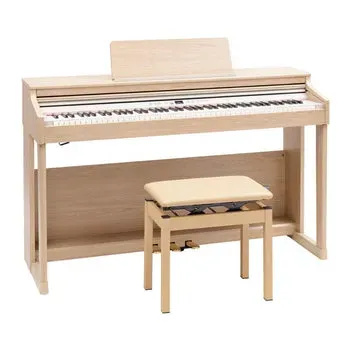
Enhancing your piano experience can be achieved through various accessories. Here are some essential items to consider:
- Headphones: Ideal for digital pianos, headphones allow for quiet practice without disturbing others.
- Piano Stands: A sturdy stand is crucial for both acoustic and digital pianos to ensure proper height and stability.
- Benches: A comfortable bench can improve your posture and playing experience during long practice sessions.
Investing in these accessories can significantly enhance your learning and playing experience.
What Are the Key Differences Between Acoustic and Digital Pianos?

Understanding the key differences between acoustic and digital pianos can help you make an informed choice. Here are the main distinctions:
How Do Sound Quality and Key Action Compare?
Acoustic pianos produce sound through physical strings and hammers, resulting in a rich, resonant tone that many musicians prefer. The key action on acoustic pianos is also more nuanced, providing tactile feedback that enhances the playing experience. In contrast, digital pianos use sampled sounds and may not replicate the same depth of tone, although many modern models have made significant strides in this area. The key action can vary widely among digital pianos, with some offering weighted keys to mimic the feel of an acoustic piano.
What Are the Portability and Space Considerations for Each Type?
Acoustic pianos are typically heavier and require more space, making them less portable. They are best suited for dedicated practice spaces or homes with ample room. Digital pianos, on the other hand, are lightweight and often come in compact designs, making them easy to move and store. This portability makes digital pianos an excellent choice for students or those with limited space.
What Are the Benefits and Drawbacks of Acoustic Pianos for Beginners?
Acoustic pianos offer several benefits for beginners, including superior sound quality and a more authentic playing experience. However, they also come with drawbacks such as higher costs, maintenance needs, and space requirements. Beginners may find the initial investment and upkeep challenging, especially if they are unsure about their long-term commitment to learning the piano.
What Advantages and Limitations Do Digital Pianos Present to Beginners?
Digital pianos provide numerous advantages, including affordability, portability, and built-in learning features. They often come with various sounds and effects, allowing beginners to explore different musical styles. However, some may find the sound quality and key action less satisfying compared to acoustic pianos. Additionally, the reliance on electronic components may deter those seeking a traditional piano experience.
How Do Digital Pianos Support Learning and Practice?
Digital pianos often include features that support learning, such as metronomes, recording capabilities, and built-in lessons. These tools can be invaluable for beginners, helping them develop their skills more effectively. The ability to practice quietly with headphones also allows for more flexible practice times without disturbing others.
What Are the Maintenance Needs and Durability of Digital Pianos?
Digital pianos require minimal maintenance compared to acoustic pianos. They do not need tuning and are generally more durable, making them suitable for various environments. This ease of use is particularly appealing for beginners who may not want to deal with the upkeep associated with acoustic instruments.
How Do Acoustic and Digital Pianos Compare in Price and Value for Beginners?
Price is a significant factor for many beginners when choosing a piano. Acoustic pianos tend to be more expensive, with prices varying based on brand and quality. Digital pianos are generally more affordable, making them accessible for those on a budget. Understanding the value of each type in relation to your needs is crucial for making the right choice.
How to Assess Value: Quality, Features, and Longevity Considerations
When assessing the value of a piano, consider the quality of materials, sound, and features offered. Look for pianos that provide a good balance between price and performance. Longevity is also an important factor; investing in a quality instrument can lead to years of enjoyment and learning.
Which Brands and Models Are Recommended for Beginner Pianists?
For beginners, several brands and models stand out for their quality and user-friendliness. Yamaha's P-45 digital piano and Kawai's K-15 acoustic piano are both excellent choices that cater to novice players. These models offer reliable performance and features that support learning.
What Are Trusted Acoustic Piano Brands for Beginners?
Trusted brands for acoustic pianos include Yamaha, Kawai, and Steinway. These manufacturers are known for their craftsmanship and commitment to quality, making them ideal choices for beginners seeking a reliable instrument.
Which Digital Piano Models Offer the Best Features for Beginners?
For digital pianos, models like the Roland FP-30 and Yamaha P-125 are highly recommended for beginners. They offer a range of features, including weighted keys, various sounds, and connectivity options, making them versatile instruments for learning.
What Are Common Beginner Questions About Choosing Between Acoustic and Digital Pianos?
Many beginners have questions about the differences between acoustic and digital pianos, including which type is better for learning. It's essential to consider personal preferences, space, and budget when making this decision. Understanding the unique benefits of each type can help clarify the best choice for your needs.
Do Digital Pianos Require Tuning Like Acoustic Pianos?
No, digital pianos do not require tuning like acoustic pianos. They use electronic sound generation, which means they maintain consistent sound quality without the need for regular maintenance. This feature makes digital pianos particularly appealing for beginners who may not want to deal with the upkeep of an acoustic instrument.
Which Piano Type Is Best for Different Learning Goals and Environments?
The best piano type depends on individual learning goals and environments. For those focused on traditional music education, an acoustic piano may provide a more authentic experience. However, for students with limited space or those who prefer modern features, a digital piano is often the better choice.
Furthermore, some educational approaches advocate for integrating both traditional and digital piano instruction to create a more comprehensive and engaging learning experience.