
Baby Grand Piano Buying Guide: Comprehensive Expert Advice on Cost, Brands, Dimensions, and Maintenance for Australian Buyers
Purchasing a baby grand piano is a significant investment that requires careful consideration. This guide aims to equip potential buyers with essential knowledge about baby grand pianos, including their unique features, cost factors, and maintenance needs. By understanding the intricacies of these instruments, buyers can make informed decisions that align with their musical aspirations. This article will cover various aspects, including the definition of baby grand pianos, cost considerations, recommended brands, dimensions, maintenance tips, and where to buy them in Australia. Whether you are a musician, educator, or enthusiast, this guide will help you navigate the buying process effectively.
Baby Grand Piano Buying Guide for Australian Buyers
When considering a baby grand piano, it is crucial to understand its characteristics and how they cater to different musical needs. Baby grand pianos are smaller than concert grand pianos, making them suitable for home use while still providing a rich sound. They are often favoured by musicians and educators for their aesthetic appeal and acoustic quality. This guide will delve into the essential factors to consider when purchasing a baby grand piano, ensuring that Australian buyers are well-informed.
Understanding Baby Grand Pianos
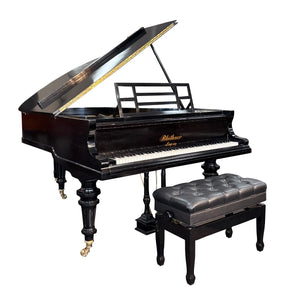
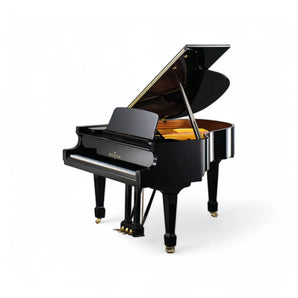
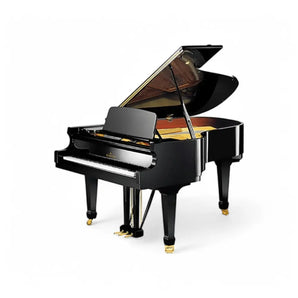
A baby grand piano is defined as a smaller version of a grand piano, typically ranging from 4.5 to 5.5 feet in length. This compact size allows for a more manageable footprint in homes and smaller venues while still delivering a full, resonant sound. The mechanism of a baby grand piano involves a horizontal soundboard and strings, which contribute to its unique tonal qualities. The benefits of owning a baby grand piano include its ability to produce a wide dynamic range and its suitability for various musical styles, making it an excellent choice for both practice and performance.
Further insight into the intricate construction of grand pianos reveals the specific materials and mechanisms that contribute to their distinctive sound and playability.
Cost Considerations
When it comes to purchasing a baby grand piano, it’s helpful to have a general idea of the cost involved. Prices vary widely depending on the brand, craftsmanship, and whether the piano is new or pre-owned. Baby grand pianos can range from more affordable entry-level models to premium instruments that reflect exceptional quality and artistry. It’s best to explore options within your budget and consider factors such as the piano’s age, condition, and the reputation of the maker.
Recommended Brands
Several brands are renowned for their quality baby grand pianos, each offering unique features and sound profiles. The top brands to consider include:
- Steinway & Sons: Known for their exceptional craftsmanship and sound quality, Steinway pianos are often regarded as the gold standard in the industry.
- Yamaha: Offering a range of models that balance quality and affordability, Yamaha pianos are popular among both beginners and professionals.
- Kawai: Renowned for their innovative designs and rich tonal quality, Kawai pianos are a favourite among many musicians.
- C. Bechstein: This brand is celebrated for its European craftsmanship and beautiful sound, making it a premium choice for discerning buyers.
For expert guidance and product recommendations, Piano World Australia specialises in providing insights into these brands, ensuring that buyers can make informed choices.
Dimensions and Space Requirements
Understanding the dimensions of a baby grand piano is crucial for ensuring it fits well within your space. Baby grand pianos typically range from 4.5 to 5.5 feet in length, and their width can vary from 4 to 6 feet. When considering placement, it is essential to account for the surrounding space to allow for proper acoustics and player comfort. Additionally, the piano should be positioned away from direct sunlight and humidity sources to maintain its condition.
Maintenance Tips
Proper maintenance is key to ensuring the longevity and performance of a baby grand piano. Here are some essential maintenance tips:
- Regular Tuning: It is recommended to tune your piano at least twice a year to maintain optimal sound quality.
- Humidity Control: Keeping the piano in a stable humidity environment (around 40-60%) helps prevent wood warping and other damage.
- Cleaning: Regularly dusting the piano and using appropriate cleaning products for the finish will keep it looking pristine.
By following these maintenance tips, owners can ensure their baby grand piano remains in excellent condition for years to come.
Where to Buy
When it comes to purchasing a baby grand piano, choosing a trusted retailer is essential. Local showrooms, such as Piano World Australia, provide the opportunity to try different models and receive expert advice. Additionally, online purchasing options are available, but it is important to ensure that the retailer offers good customer support and flexible policies.
Expert Advice
Consulting with experts can significantly enhance the buying experience. It is advisable to test pianos before making a purchase, as this allows buyers to assess the feel and sound of different models. Narrowing down choices based on personal preferences and requirements can also streamline the decision-making process. Piano World Australia offers expert consultations to assist buyers in finding the perfect baby grand piano for their needs.