

First-Time Piano Buyer's Decision Framework Australia 2026: New vs Pre-Loved and Acoustic vs Digital Options
By Austral Piano, Austral Piano World
As a first-time piano buyer, navigating the vast landscape of options can be overwhelming. Whether you are deciding between new and pre-loved pianos or weighing the advantages of acoustic versus digital models, understanding your choices is crucial to making an informed decision. This article offers a framework to help guide you through the considerations and complexities involved in purchasing your first piano in Australia in 2026.
We'll explore key distinctions between new and pre-loved instruments, evaluate the pros and cons of each type, and outline important aspects such as pricing, maintenance, and sound quality. By the end, you will have a clearer picture of what to prioritise in your purchase and how to align your choice with your specific needs and preferences.
New vs. Pre-Loved Pianos

When it comes to choosing a piano, the debate between new and pre-loved options is often at the forefront. Each choice presents a unique set of benefits and drawbacks that can influence your final decision.
New Pianos:
New pianos are often seen as the epitome of quality and reliability. They come equipped with the latest technology and enhancements, providing a consistent playing experience. New instruments typically range from $2,000 to $8,000 for acoustic models, depending on the brand and features. Moreover, purchasing a new piano grants the buyer warranty coverage, ensuring support for any manufacturing defects. However, the higher price point for new pianos can be a significant deterrent for many first-time buyers.
Pre-Loved Pianos:
On the other hand, pre-loved pianos offer unique benefits, most notably cost savings. Prices for second-hand pianos generally range from $500 to $3,500, making them a more accessible option. Additionally, these instruments often feature craftsmanship and designs that may not be available in new models, appealing to buyers looking for character and uniqueness. However, purchasing pre-loved items does carry inherent risks, particularly regarding condition assessments and the potential for hidden issues that may require repair. For those seeking quality instruments at a reduced cost, exploring a reputable piano dealer is a wise first step.
Acoustic vs. Digital Pianos
Another crucial choice for piano buyers is deciding between acoustic and digital pianos. Each type serves different needs and preferences, especially for beginners.
Acoustic Pianos:
Acoustic pianos are celebrated for their authentic sound quality, which stems from their physical strings and hammers. This traditional approach provides a rich auditory experience that many musicians find irreplaceable. However, they require regular tuning and can be less portable due to their size and weight. For those with the space and commitment to maintain such an instrument, an acoustic piano can offer an unparalleled experience.
Digital Pianos:
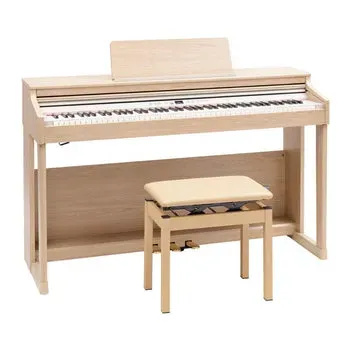
In contrast, digital pianos are designed with versatility in mind. They often include features such as adjustable volume, various sound outputs, and the ability to practice with headphones, making them an excellent fit for those in shared living spaces. Digital options typically range from $500 to $3,000, catering to a variety of budgets. While they may not replicate the sound quality of an acoustic piano entirely, improvements in technology have made them increasingly popular among beginners for their ease of use and maintenance.
It is important to note, however, that despite technological advancements, significant perceptual differences between digital and acoustic pianos still exist for performers.
Acoustic versus Digital Pianos: Perceptual Discrepancies and Performance Ramifications
Piano musicians discern differences when performing on digital versus acoustic pianos, yet scant information exists regarding the nature of these distinctions. It is crucial to elucidate these elements to accurately assess the consequences of utilising digital pianos as substitutes for acoustic instruments in both performance and educational contexts. This study compares the audio and haptic characteristics of digital and acoustic pianos to ascertain the fidelity with which digital pianos emulate their acoustic counterparts from the perspective of a piano performer. The findings indicate considerable differences across several features, which likely contribute to the overarching discrepancies in the piano-playing experience. In the majority of scenarios, acoustic pianos typically provide a far broader spectrum of touch and sonic possibilities compared to the predetermined feature sets integrated into digital pianos.Discrepancies in pianists' experiences in playing acoustic and digital pianos, 2020
Key Considerations
When purchasing a piano, several important factors should be considered to ensure a well-rounded decision.
- Sound Quality: Test both acoustic and digital models to understand how sound quality influences your playing experience.
- Space Suitability: Evaluate your space to determine what size and type of piano can realistically fit.
- Budget: Be clear on your range and include considerations for additional costs like delivery and setup.
By addressing these considerations early in your purchasing journey, you'll be better prepared to make a choice that aligns with your lifestyle and aspirations as a musician.
What Are the Benefits and Risks of New vs Pre-Loved Pianos in Australia?
Purchasing a piano involves weighing the benefits and risks of both new and pre-loved options.
New pianos offer several advantages, such as warranty coverage, the latest technology, and superior craftsmanship. However, they tend to be significantly more expensive. Pre-loved pianos can provide unique models at lower costs, yet they may come with hidden risks, including maintenance issues and varying sound quality. Deciding between these two options depends largely on individual preferences and budget constraints.
How Does Pricing Differ Between New and Used Pianos in Australia?
In Australia, pricing can vary widely between new and used pianos. New acoustic pianos typically range from $2,000 to $8,000, while pre-loved pianos can often be found for $500 to $3,500. This disparity creates a range of options suitable for different budget levels.
What Are the Key Risks When Buying a Pre-Loved Piano?
When opting for a pre-loved piano, potential risks include the instrument's condition and any underlying issues that may not be immediately apparent. A thorough inspection is essential before purchasing to mitigate these risks. Additionally, buyers should consider the possibility of no warranty coverage on used instruments, which may lead to unexpected repair costs. Carefully selecting a vendor from whom you purchase used instruments can significantly mitigate these risks, ensuring you find reliable options.
How to Choose Between Acoustic and Digital Pianos for Beginners?
For beginners, choosing the right type of piano can be pivotal in fostering a love for music. Key factors that differentiate these two types are their respective sound and playability.
What Are the Sound and Playability Differences Between Acoustic and Digital Pianos?
Acoustic pianos provide a rich, resonant sound that many players cherish, while digital pianos focus on versatility and convenience. Playability varies too; an acoustic piano demands physical interaction with its keys, offering feedback that many musicians find rewarding. Digital pianos, however, may offer features like weighted keys that simulate this experience while also being more adaptable for practice.
Which Type of Piano Requires Less Maintenance and What Are the Costs in Australia?
Digital pianos generally require less maintenance compared to their acoustic counterparts. Regular tuning, which can cost between $150 to $300 per session for acoustics, is unnecessary for digital models. They provide a hassle-free option for beginners focusing on their learning journey without worrying about upkeep.
Which Are the Best Piano Brands for First-Time Buyers in Australia?
Certain brands have gained popularity in Australia, particularly among first-time buyers. Top contenders include Yamaha, Roland, and Kawai, each of which offers a range of reliable products tailored to beginners.
What Features Make Yamaha, Roland, and Kawai Popular Among Beginners?
- Yamaha: Known for their durability and sound quality, Yamaha pianos often come with extensive educational resources for new players.
- Roland: Offers cutting-edge technology with digital models that simulate real acoustic experiences, catering to various skill levels.
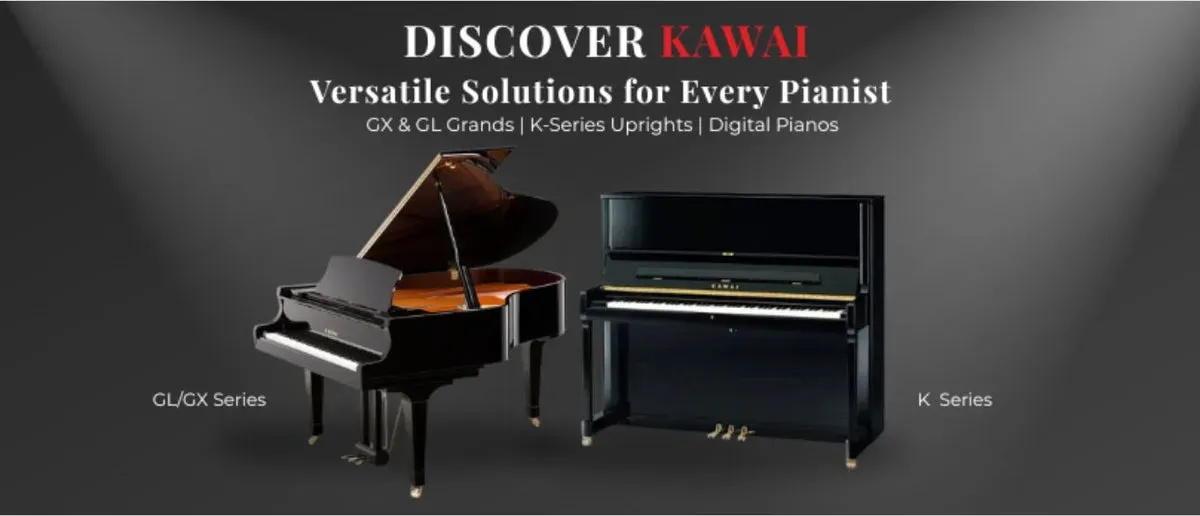
- Kawai: Recognised for their authentic touch and tone, Kawai pianos provide an enriching experience for beginners.
How Do Brand Warranties and Support Affect Buying Decisions?
Brand warranties play a crucial role in buyer confidence. Established manufacturers provide prospective buyers with assurance about product longevity and support, which can significantly influence the decision-making process. A solid warranty can ensure peace of mind, especially for first-time purchasers concerned about their investment.
How to Budget and Plan Your Piano Purchase in Australia?
Budgeting for a piano can seem daunting; thus, having a clear plan is essential.
What Is the Typical Price Range for New, Pre-Loved, Acoustic, and Digital Pianos?
As mentioned, the price for new acoustic pianos typically falls between $2,000 to $8,000, while pre-loved acoustic options range from $500 to $3,500. Digital pianos also follow suit with a price range of approximately $500 to $3,000. Understanding these price ranges helps establish a realistic budget.
How Do Additional Costs Like Delivery and Setup Impact Your Budget?
Besides the initial cost of the piano, buyers must consider additional expenses such as delivery and setup fees. These can add several hundred dollars to your budget, depending on distance and the complexity of the setup. Including these costs in your overall budget ensures no financial surprises arise during your purchasing journey.
What Maintenance Should First-Time Buyers Expect and How to Ensure Longevity?
First-time buyers should also factor in regular maintenance to preserve their instrument over time.
What Are the Average Piano Tuning and Repair Costs in Australia?
Piano tuning in Australia typically costs between $150 to $300 per session, recommended at least once a year for acoustic pianos. Understanding these maintenance needs is crucial for budgeting effectively over the long term.
How Can Proper Maintenance Extend Your Piano’s Life?
Maintaining your piano regularly not only enhances its playability but also extends its lifespan. Simple practices such as tuning, keeping the instrument clean, and ensuring it remains in a stable environment can significantly improve longevity and performance.
What Local Buying and Delivery Options Are Available for Australian First-Time Buyers?
Finding reputable local options for purchasing a piano ensures a smoother buying experience.
Where Can You Find Reputable Piano Shops and Used Piano Listings in Australia?
In Australia, specialized retailers like Piano World Australia offer a variety of new and used pianos. Additionally, online marketplaces provide listings for pre-loved models, making it easier to compare options.
How Do Delivery and Aftercare Services Vary Among Australian Retailers?
Delivery and aftercare services can differ significantly between retailers, with some offering free delivery while others charge based on distance and service complexity. Ensuring that you choose a retailer with good aftercare support is critical for first-time buyers who may need assistance post-purchase.