
Essential Piano Maintenance Tips: How to Keep Your Piano in Perfect Condition with Expert Tuning and Care
Maintaining a piano in optimal condition is essential for preserving its sound quality and longevity. Regular care not only enhances the instrument's performance but also protects your investment. This article will provide you with essential piano maintenance tips, covering everything from tuning and humidity control to cleaning and positioning. By following these guidelines, you can ensure that your piano remains in perfect condition for years to come. We will explore the importance of regular tuning, the impact of humidity, and best practices for cleaning and care. Additionally, we will discuss how to effectively schedule professional maintenance and the benefits of doing so.
Regular Tuning
Regular tuning is crucial for maintaining the sound quality of your piano. Tuning involves adjusting the tension of the piano strings to ensure they produce the correct pitch. Ideally, you should schedule tuning at least once a year, although factors such as climate and usage may necessitate more frequent adjustments. Signs that indicate your piano needs tuning include a noticeable change in pitch, difficulty in playing in tune with other instruments, or a general feeling that the sound is off.
For those seeking professional assistance, Austral Piano World offers expert piano tuning services tailored to your needs. Their experienced technicians can help restore your piano's sound to its best quality.
Control Humidity Levels
Humidity control is vital for the longevity of your piano. Pianos are sensitive to changes in humidity, which can cause the wood to expand or contract, leading to tuning instability and potential damage. The ideal humidity level for pianos is between 40% and 60%. To maintain these levels, consider using a hygrometer to monitor humidity and a dehumidifier or humidifier as needed.
Piano World Australia also provides humidity control products and services to help you maintain the perfect environment for your instrument. These solutions can significantly enhance your piano's durability and performance.
Keep Your Piano Clean
Keeping your piano clean is essential for both aesthetic and functional reasons. Regular dusting helps prevent dirt buildup, which can affect the instrument's appearance and sound quality. Use a soft, dry cloth to wipe down the exterior, and avoid using harsh chemicals that could damage the finish.
How to Safely Clean Piano Keys and Surfaces Without Damage
To clean piano keys, use a slightly damp cloth with a mild soap solution. Avoid soaking the keys, as excess moisture can seep into the instrument and cause damage. For the piano's surface, a soft microfiber cloth is ideal for removing dust without scratching the finish.
Which Cleaning Products Are Recommended for Piano Maintenance?
When selecting cleaning products, opt for those specifically designed for pianos. These products are formulated to be safe for the delicate materials used in piano construction. Always read labels and follow the manufacturer's instructions for best results.
Proper Positioning
The positioning of your piano can significantly impact its performance and longevity. Avoid placing your piano in direct sunlight or near heat sources, as these conditions can cause the wood to warp and the tuning to become unstable. Ideally, position your piano in a climate-controlled room with stable temperature and humidity levels.
Play Regularly
Regular playing is beneficial for your piano's internal mechanics. It helps keep the action and hammers in good condition, preventing stiffness and ensuring that the instrument remains responsive. Additionally, playing regularly allows you to notice any changes in sound or feel, prompting timely maintenance.
Close the Lid When Not in Use
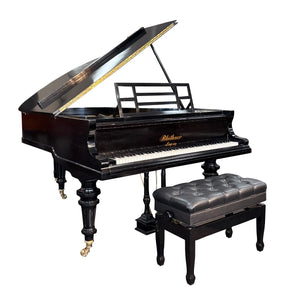
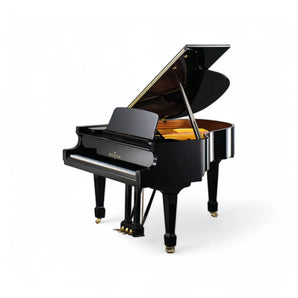
Closing the lid when your piano is not in use protects it from dust and debris. For grand pianos, using a cover can provide additional protection against environmental factors that may affect the instrument's condition.
Avoid DIY Repairs
While it may be tempting to attempt repairs on your own, it is advisable to consult a professional piano technician for any issues. Incorrect repairs can lead to further damage and costly fixes. Professionals have the expertise to address problems effectively and ensure your piano remains in optimal condition.
Schedule Annual Professional Maintenance
Scheduling annual professional maintenance is a proactive approach to piano care. Regular inspections can identify minor issues before they escalate into major problems. A qualified technician can perform necessary adjustments and repairs, ensuring your piano continues to perform at its best.
How Often Should You Schedule Professional Piano Tuning Services?
Generally, it is recommended to schedule professional piano tuning services at least once a year. However, factors such as climate, usage, and the type of piano can influence this frequency. For instance, pianos in humid environments may require more frequent tuning to maintain sound quality.
What Are the Benefits of Regular Piano Tuning for Sound Quality?
Regular piano tuning offers several benefits, including improved sound quality, enhanced tonal balance, and extended lifespan of the instrument. A well-tuned piano not only sounds better but also provides a more enjoyable playing experience.
How Does the Australian Climate Affect Piano Tuning Frequency?
The Australian climate can significantly impact piano tuning frequency. In areas with high humidity or temperature fluctuations, pianos may require more frequent tuning to compensate for the effects of these environmental factors. Understanding your local climate can help you determine the best maintenance schedule for your piano.
What Are the Best Practices for Piano Cleaning and Polishing?
Maintaining a clean and polished piano enhances its appearance and protects its finish. Here are some best practices for piano cleaning and polishing:
- Use Soft Cloths: Always use soft, lint-free cloths to avoid scratching the surface.
- Avoid Harsh Chemicals: Stick to products specifically designed for pianos to prevent damage.
- Regular Dusting: Dust your piano regularly to prevent buildup that can affect its finish.
How to Safely Clean Piano Keys and Surfaces Without Damage
As mentioned earlier, use a damp cloth with mild soap for keys and a dry cloth for surfaces. This method ensures that you maintain cleanliness without risking damage to the instrument.
Which Cleaning Products Are Recommended for Piano Maintenance?
Opt for piano-specific cleaning products that are gentle yet effective. These products are designed to clean without harming the delicate materials of your piano.
How Can You Effectively Control Humidity to Protect Your Piano?
Controlling humidity is essential for protecting your piano from damage. Use a hygrometer to monitor levels and invest in a quality humidifier or dehumidifier to maintain the ideal environment.
Why Is Humidity Control Crucial for Piano Longevity?
Humidity control is crucial because fluctuations can lead to wood warping and tuning instability. Maintaining consistent humidity levels helps preserve the integrity of the piano's materials, ensuring its longevity.
What Are the Best Humidity Control Solutions for Australian Homes?
Several humidity control solutions are effective for Australian homes, including:
- Dehumidifiers: Ideal for areas with high humidity, helping to maintain stable conditions.
- Humidifiers: Useful in dry climates to add moisture to the air.
- Hygrometers: Essential for monitoring humidity levels accurately.
When and How Should You Address Piano Repairs and Regulation?
Addressing repairs promptly is vital for maintaining your piano's performance. If you notice any issues, such as sticking keys or uneven sound, consult a professional technician to assess and resolve the problem.
What Common Piano Repairs Should Owners Monitor?
Piano owners should be vigilant about the following common repairs:
- Tuning Issues: Regularly check for tuning stability.
- Humidity Control Problems: Monitor for signs of wood damage due to humidity.
- Action Mechanism Problems: Ensure keys respond correctly and smoothly.
How Does Professional Regulation Improve Piano Performance?
Professional regulation involves adjusting the piano's action to ensure optimal performance. This process enhances playability and sound quality, making it essential for maintaining a high-performing instrument.
What Are the Essential Steps for Piano String Maintenance?
Maintaining piano strings is crucial for sound quality. Here are essential steps for string maintenance:
- Regular Tuning: Keep strings in tune to prevent wear.
- Humidity Control: Protect strings from moisture fluctuations.
- Proper Cleaning: Clean strings gently to remove dust and debris.
How to Identify When Piano Strings Need Replacement or Adjustment
Signs that piano strings may need attention include:
- Dull Sound: A lack of brightness in tone can indicate worn strings.
- Visible Damage: Look for fraying or rust on strings.
- Tuning Instability: If strings frequently go out of tune, they may need replacement.
What Are the Best Practices for Piano String Care and Longevity?
To ensure the longevity of your piano strings, consider the following practices:
- Regular Maintenance: Schedule tuning and inspections.
- Humidity Management: Keep humidity levels stable.
- Gentle Cleaning: Use appropriate methods to clean strings without causing damage.
How Can You Plan and Budget for Ongoing Piano Maintenance?
Planning and budgeting for ongoing piano maintenance is essential for preserving your instrument. Consider the following factors:
- Frequency of Tuning: Estimate costs based on how often you plan to tune your piano.
- Professional Services: Budget for annual inspections and repairs.
- Cleaning Supplies: Allocate funds for piano-specific cleaning products.
How to Schedule Maintenance for Optimal Piano Condition and Value
To maintain your piano's condition and value, create a maintenance schedule that includes regular tuning, cleaning, and professional inspections. Keeping a log of services performed can help you track your piano's care over time.