

Used Piano Inspection Checklist: 12 Things to Check Before You Buy in 2026
By Austral Piano, Austral Piano World
Purchasing a used piano can be a daunting experience, especially with the potential for hidden issues that may impact performance and longevity. This guide aims to provide a comprehensive checklist for inspecting a used piano before committing to a purchase. By understanding the key areas to assess, prospective buyers can make informed decisions that not only enhance their playing experience but also ensure they invest wisely. This article highlights essential inspections that cover the piano's physical components, sound quality, brand reputation, and market trends in 2026. Buyers will gain insight into what particular signs to watch for regarding mechanics, acoustics, tuning stability, and more.
What Are the Essential Checks on Piano Keys in a Used Piano Inspection?
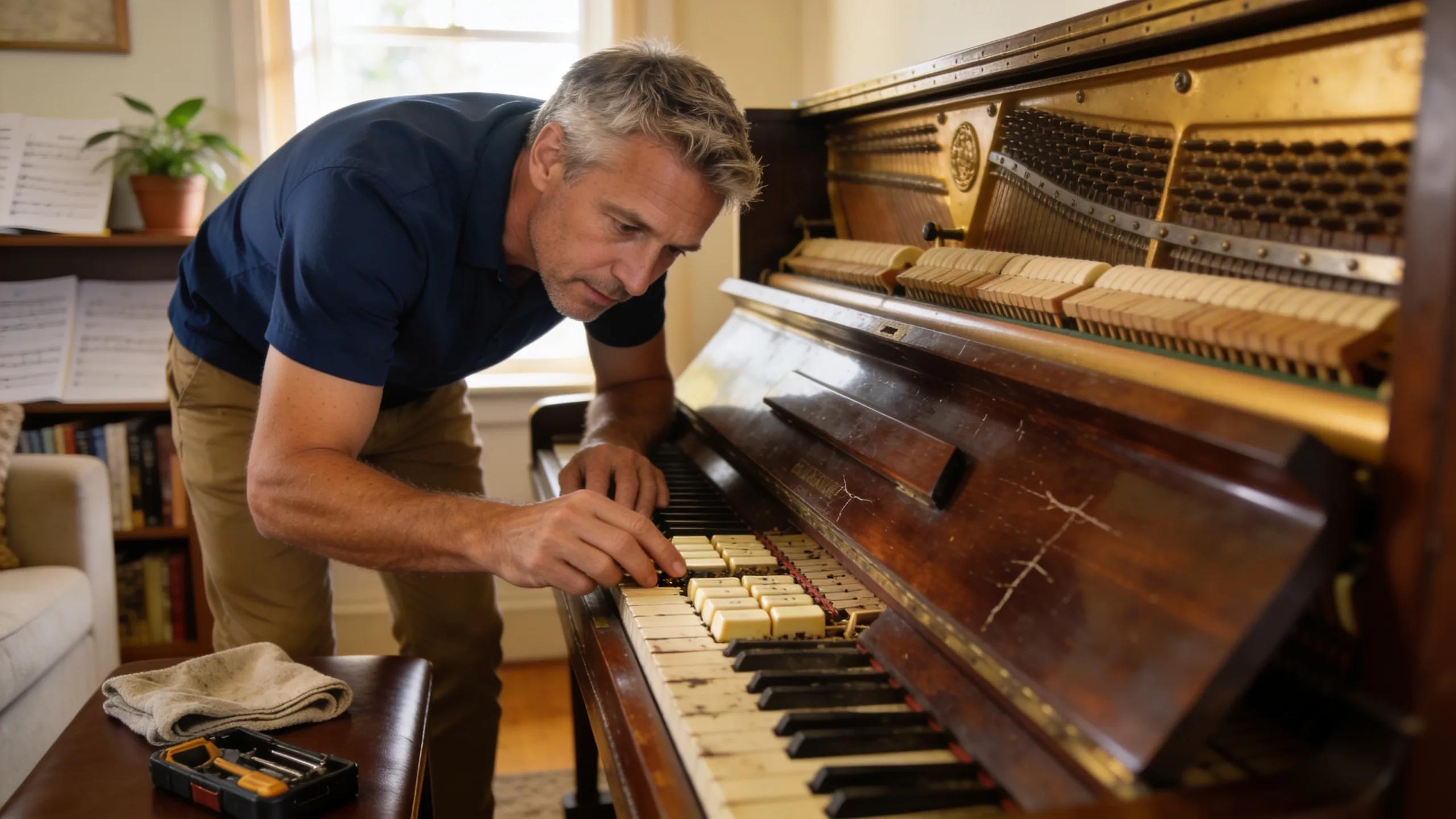
When inspecting the keys of a used piano, several critical aspects must be evaluated to ensure optimal performance and longevity. The condition of the keys directly influences playability, and any issues can be a precursor to further mechanical complications.
How to Evaluate Key Movement, Alignment, and Wear on Second Hand Pianos?
To assess key movement and alignment, start by playing each key individually, ensuring they respond smoothly and consistently. Any sticking or sluggishness could indicate dirt accumulation or mechanical issues. Additionally, check for any unevenness in key height; keys that stand taller or shorter than their neighbours may require adjustment. Look for signs of wear, such as visible scratches or dents, which can affect the performance and aesthetic of the piano.
Which Keyboard Signs Indicate Urgent Repair Needs?
Be attentive to specific warning signs when evaluating the keys:
- Sticking Keys: Indicate potential mechanical blockages or misalignment.
- Key Noise: Unusual sounds when pressing keys can be a sign of internal damage.
- Sound Quality Issues: Poor tonal quality or vibrating noise when keys are struck suggests deeper issues within the piano's action mechanism.
How to Assess the Soundboard and Structural Integrity of a Used Piano?
The soundboard and overall structural integrity of a piano significantly impact its sound quality and lifespan. Assessing these areas thoroughly can reveal critical information about the instrument's condition.
What Are the Common Soundboard Defects to Look for?
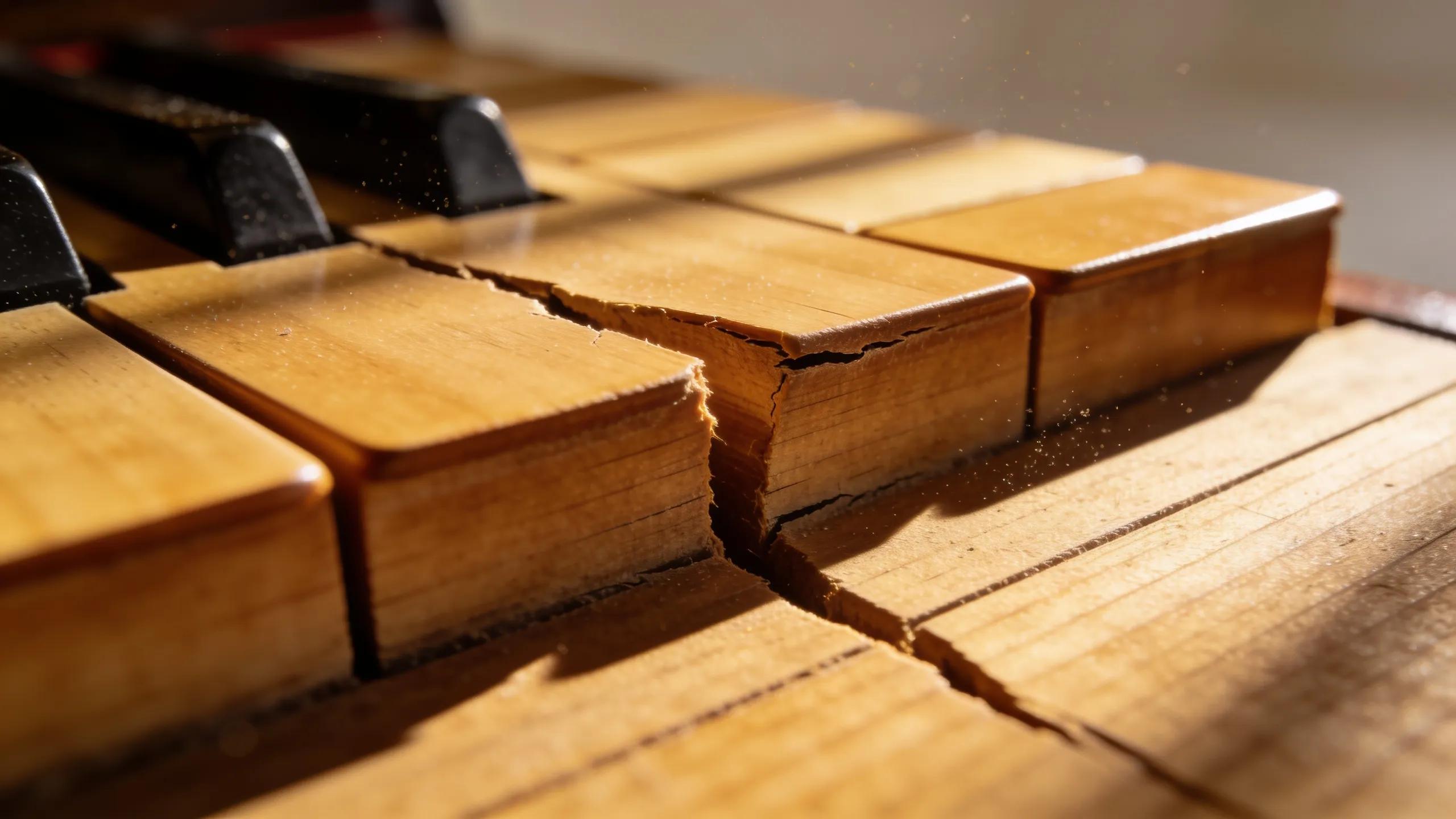
Common issues with the soundboard include:
- Warping Signs: Look for visible bowing or distortion in the wood.
- Cracks: Small fissures can dampen sound quality and indicate improper maintenance.
- Surface Interruptions: Irregularities in the surface can compromise the soundboard's ability to project sound effectively.
A deeper understanding of piano components reveals that the soundboard, action mechanism, and key materials are all crucial for sound quality and player experience.
Piano Components: Soundboard, Action, Keys, and Materials
1. The contemporary piano's soundboard is a slender plate, typically crafted from resonance spruce, with a thickness of approximately 7-9.5 mm. It underpins the strings and the cast iron plate, resting upon the rim braces. Ribs lend support to the soundboard from underneath, whilst the opposing side features two bridges over which the strings are tensioned. Soundboards are constructed from timber strips, approximately 12 cm wide, which are glued to form a substantial panel then trimmed to suit either grand or upright piano dimensions. Concert grand pianos and other premier quality instruments feature soundboards meticulously fabricated from high-grade resonance spruce. Each soundboard's vibrational mode exhibits a distinct radiation pattern, predominantly influenced by its geometric configuration and its material, physical, and mechanical attributes. The action mechanism, of considerable mechanical complexity, can profoundly impact piano sound quality as well as the player's tactile experience. Piano hammers are integral constituents of the piano mechanism and contribute significantly to piano timbre. The modern piano keyboard comprises 88 keys, facilitating the performance of the twelve notes of the Western musical scale, repeated at octave intervals, with the lowest note situated at the left of the keyboard. White keys are traditionally fashioned from spruce, white pine, or other softwoods; premium instruments may feature ivory coverings, or high-grade plastics (such as pyralin or elforyn), whilst lower-tier instruments predominantly utilise white plastics. Black keys are typically wrought from ebony or black plastic materials. The piano's case rim is manufactured employing traditional techniques akin to those used in bespoke furniture production.
Material Properties and the Modes of Vibration of Piano Soundboard, V Bucur, 2016
Why Is Structural Stability Critical When Buying Second Hand Pianos?
Structural stability is crucial for a used piano, as it directly impacts sound production and longevity. If the structure is compromised, the following can occur:
- Impact on Sound Quality: A weak structure can result in poor tonal projection and resonance.
- Repair Costs: Structural issues can lead to significant repair expenses if not identified early.
- Longevity Concerns: An unstable piano may not hold up under regular use, resulting in a shorter lifespan.
What Should You Inspect About the Pedals and Action Mechanism in Used Pianos?
The pedals and action mechanism play essential roles in the functionality of a piano, influencing both dynamics and overall playability. When evaluating these components, specific elements should be inspected closely. For expert advice and a wide selection of pianos, exploring options at Piano World can be highly beneficial.
How Do Pedal Condition and Responsiveness Affect Playability?
Pedal functionality is vital for facilitating expressive playing. Inspect the pedals for:
- Importance of Pedal Function: Ensure each pedal responds without delays.
- Playability Limitation Scenarios: A non-functioning or stiff pedal can restrict musical expression.
- Common Pedal Faults: Any noise or resistance when pressing pedals can indicate underlying issues.
Which Action Mechanism Components Require Close Examination?
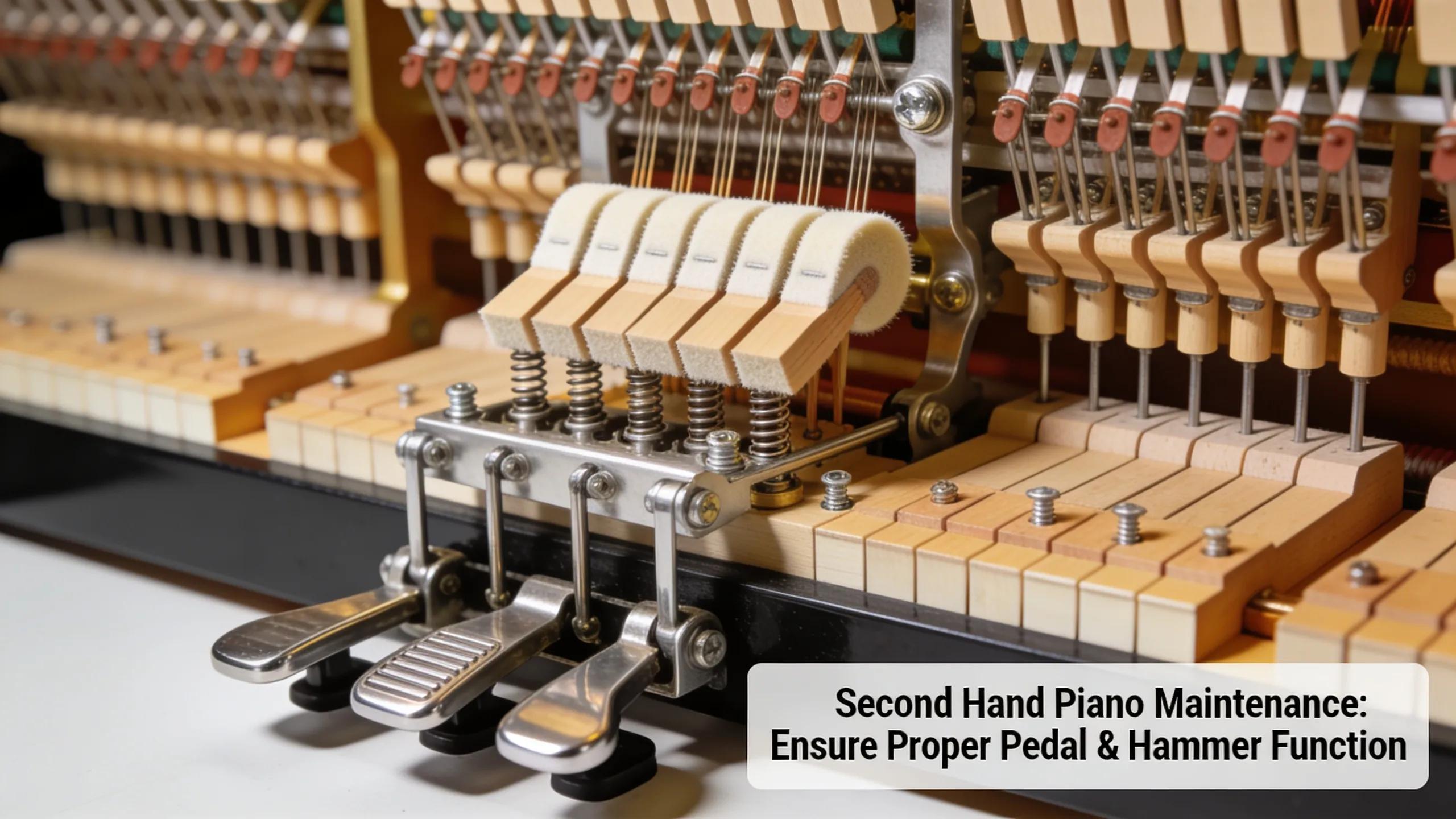
The action mechanism comprises various components that require assessment, including:
- Key Actions: Check for responsiveness and proper alignment.
- Hammer Condition: Examine the felt hammers for wear and damage.
- Dampers' Functionality: Ensure that dampers silence the strings effectively when the pedal is not engaged.
How to Evaluate Piano Brand, Model, and Age Before Buying a Used Piano?
Understanding the brand, model, and age of a piano can significantly influence its value and performance. Buyers should do their homework on market reputation and historical performance of different brands. Learning about reputable brands can provide a solid foundation for your search, ensuring you invest in quality and reliability.
What Brands Are Most Trusted for Second Hand Piano Purchases in Australia?
When considering a second-hand piano, opting for reputable brands is essential for ensuring quality. Trusted brands often include those recognised for their craftsmanship and reliability. Here are some to keep in mind:
- Yamaha: Known for durability and consistent performance.
- Steinway: Highly regarded for premium quality and resale value.
- Kawai: Offers reliable mid-range options with excellent sound.
How to Check Piano Age Using Serial Numbers?
To assess the age of a piano, locating and interpreting the serial number is crucial:
- Finding Serial Numbers: Typically found on the inner frame or back of the piano.
- Using Brand Resources: Many manufacturers provide online databases for serial number checks.
- Importance of Age Assessment: Knowing the age helps determine potential maintenance needs and value retention.
What Are the Key Factors in Tuning Stability and Cost Estimation for Used Pianos?
Tuning stability is vital for maintaining the sound quality of a piano. Buyers must be aware of how often a piano should be tuned and the associated costs. Factors like a piano's overall condition and construction heavily influence its tuning stability.
How Often Should a Used Piano Be Tuned and What Costs Are Typical in 2026?
In 2026, it is generally recommended that used pianos be tuned at least twice a year, especially if they are used frequently. The cost for a standard tuning typically ranges from $100 to $200 AUD, depending on your location and the technician’s expertise.
How Does Tuning Stability Reflect Overall Piano Condition?
Tuning stability can offer insights into the overall health of a piano:
- Tuning Stability Indicators: An unstable piano might drift out of tune quickly, indicating moisture damage or structural issues.
- Overall Condition Correlation: Pianos that maintain their tuning over time generally suggest better craftsmanship and care.
- Tips for Assessment: Pay attention to how the piano held its tuning over time prior to purchase.
Where Can You Safely Buy Used Pianos and What Are Resale Considerations?
Identifying where to purchase a used piano safely is crucial to avoid scams and poor-quality instruments. Additionally, buyers should understand the factors impacting resale value. Finding a reliable source for your next instrument is a critical step in the buying process. Purchasing from established dealers ensures a smoother transaction and often provides recourse should any issues arise.
Which Sources Provide Reliable Second Hand and Digital Pianos in Australia?
Some reliable sources for purchasing used pianos include:
- Reputable Retailers: Stores that specialise in musical instruments often offer warranties and return options.
- Online Platforms: Websites dedicated to buying and selling music equipment can provide extensive listings and buyer reviews.
- Verification Methods: Always check seller ratings and reviews before proceeding with a purchase.
How Does Resale Value Depend on Condition and Brand?
Resale value is primarily influenced by two key factors:
- Impact of Brand on Value: Prestigious brands typically retain value better than lesser-known manufacturers.
- Condition Evaluations: A well-maintained piano will have a significantly higher resale value compared to one that requires significant repairs.
- Market Trends: Staying informed about consumer preferences can additionally guide resale decisions.